
To start this project, I conducted a market analysis with the aim of understanding the context in which the business operates, its specific characteristics, and the current economic environment. Understanding the relevant market is essential to know where one is positioned, which key factors must be considered, and which strategic levers can be activated.
The market analysis is particularly important as it allows opportunities and threats to be identified, changes to be anticipated, and a more informed preparation for the future. In the context of this project, it also makes it possible to identify where and how sustainability can become a concrete lever to improve business performance, increase operational efficiency, and strengthen competitive positioning.
It was also essential to understand the current state of sustainability in the sector and the main available measures and certifications. In particular, within the hospitality industry, especially among small local businesses, the adoption of sustainable practices is still relatively slow. This is due to several factors, including limited regulatory pressure (with still relatively weak requirements regarding emissions reporting), the perception of high costs, a lack of specific expertise and suitable operational tools, as well as a focus that is often oriented toward day-to-day management and margins.
Despite this, there is a growing interest in these topics, particularly from consumers, who are increasingly attentive to quality, origin, and product impact. In this context, sustainability represents a strategic opportunity: not only to respond to new market expectations, but also to anticipate future changes and position the business competitively in the long term.
SWOT ANALYSIS
At the end of this research, a SWOT analysis has been generated. Particular attention was given to transforming weaknesses into actionable projects, using existing challenges as a foundation for innovation, resilience, and long-term growth. By connecting internal improvement areas with emerging opportunities, the analysis provides a roadmap for strengthening the business while supporting its sustainability and ESG objectives.
MARKET OVERVIEW
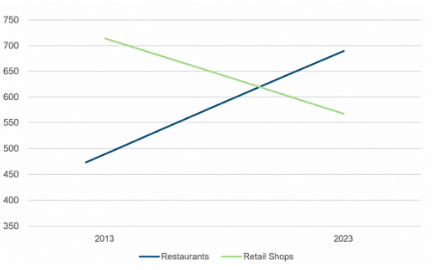
The food and beverage industry is robust and has shown consistent growth over the past decade. Between 2013 and 2023, the number of restaurants in the city centre increased by 47%. In contrast, smaller retail shops declined by 24% over the same period.
The restaurant ecosystem is highly dense, especially in the city centre, creating a saturated competitive environment. This high concentration of venues contributes to both a dynamic offer landscape and increased pressure on pricing and profitability. Businesses also face structurally high costs, including:
- Rising rent levels
- Increasing labour costs
- Volatile raw material prices
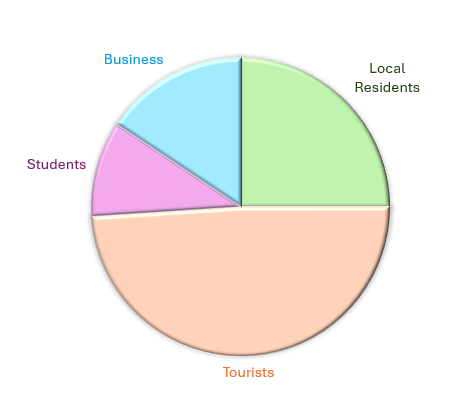
Demand is structurally diversified across four main segments:
- International tourists
- Local residents
- Students
- Business and event-driven visitors
This diversification provides a stable inflow of customers throughout the year, although tourism remains the primary driver of peak revenues.
Gastronomic Identity and Regional Strength
The city benefits from a strong and clearly identifiable gastronomic identity. This strengthens the city’s positioning as a food and wine destination, encouraging tourism flows and increasing average customer spend in restaurants.
Workforce and Operational Constraints
The hospitality sector is characterised by high staff turnover, with employees often staying for relatively short periods due to the transitional nature of roles and the prevalence of individuals seeking immediate employment and short-term income. As a result, it can be challenging to build and retain a consistently skilled workforce capable of ensuring operational continuity and developing specialised expertise in areas such as wine pairing and other technically demanding aspects of service.
In this context, maintaining consistent service quality depends on having strong internal systems, clear training processes. Ultimately, this is a structural feature of the sector, requiring operators to anticipate workforce fluctuations and proactively build organisational resilience to mitigate the impact of staff shortages.
Regulatory and Structural Constraints
Because many restaurants are located within the historic city centre, they operate under a range of regulatory constraints linked to the preservation of cultural and architectural heritage. These include restricted traffic zones that limit vehicle access to certain areas, limited and often expensive parking availability, and regulations governing outdoor seating. In addition, businesses in historically significant areas may face higher local taxes as well as obligations related to building maintenance and preservation standards.
Digital Transformation
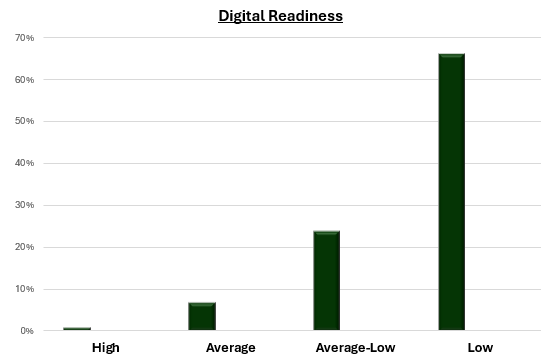
Digital adoption remains low across many restaurants in the city, with a continued reliance on traditional and often manual systems for order management, reservation tracking, and staff scheduling. Therefore significant opportunities exist in:
- Online reservations and ordering systems
- CRM and customer data usage
- Social media branding and digital marketing
- Delivery platform optimisation
Sustainability and Consumer Expectations
From the consumer side, there is a growing interest and sensitivity toward organic and high-quality ingredients. Diners increasingly expect locally sourced, seasonal products that ensure freshness, authenticity, and overall quality of food. There is also greater awareness of sustainability-related issues, with consumers often associating sustainability with healthier food choices and a higher perceived quality of meals.
From the producer side, restaurants and suppliers tend to partner with providers who are attentive to sustainability and actively adopt measures to address environmental changes that may affect yields, harvests, and supply chain stability. However, smaller businesses still often perceive sustainability as an additional cost rather than an opportunity for innovation or a way to gain a competitive advantage.
This is where this initiative fits in. It aims to introduce sustainability practices ahead of competitors, appealing to higher-end customers who value ethically and locally sourced products. At the same time, it helps build a stronger supply chain, reduce operational uncertainty, and improve margins through a more distinctive and differentiated offering.
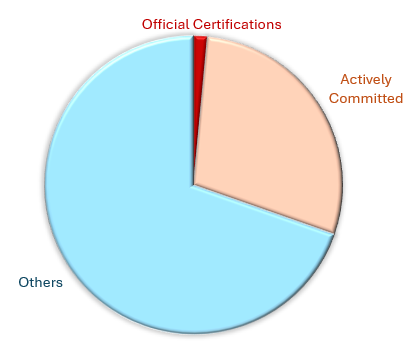
Available Certifications
- Product certifications such as organic, DOP, or IGP, which contribute to the overall sustainability of the menu.
- CER (Care’s Ethical Restaurant): certification designed specifically for restaurants, focused on environmental, social, and economic sustainability with measurable requirements and certification levels (Bronze, Silver, Gold).
- Bioscore Restaurant Certification (BRC): certification standard that evaluates various sustainability aspects (emissions, energy, water, waste, social responsibility) and issues a verifiable third-party sustainability label.
- Green Star (Michelin Guide): not a formal ISO certification, but an important recognition for restaurants with strong commitments to sustainability (sustainable menus, waste reduction, environmental practices).
- Organic Catering Certification (ICEA): guarantees the use of organic ingredients in menus (with minimum required percentages of organic products).
Customer Behaviour Shifts
In recent years, a clear shift in consumer behaviour has become increasingly evident, with changes both in dining frequency and overall dining style. Local customers tend to dine out less often and spend less on average, while showing a growing preference for quicker, more informal dining formats over traditional multi-course meals, while still maintaining expectations of high-quality ingredients and preparation.
Among tourists, social media plays a significant role in shaping dining choices, with venues and dishes often gaining visibility through online trends and viral content. As a result, maintaining a strong digital presence has become increasingly important, alongside preserving authenticity and culinary identity.