
This project began as a conversation with a restaurant owner about sustainability. It became clear that sustainability was largely associated with high investments, such as replacing existing machinery with more expensive alternatives, without a clear return on investment, or was viewed primarily through an ethical and environmental lens. There was limited understanding of how sustainability could concretely benefit the business.
In a business context, it is essential to recognise that the most sustainable thing a business can do is to remain in business; otherwise, it loses its reason for existing. Pursuing environmental and social initiatives purely for the sake of doing the right thing, while being counterproductive and jeopardising the business, is ultimately ineffective. This is where balancing the triple bottom line (profit, planet, and people) becomes critical.
The first priority is ensuring the long-term viability of the business. From there, the question becomes how this is achieved, and whether operations are supporting or depleting the environmental and social resources the business depends on. This is crucial because the business’s longevity is directly tied to these factors: its ability to respond to climate and environmental disruptions, comply with regulations and avoid financial or legal repercussions, protect itself from reputational risks, and select suppliers who are equally resilient and responsible to avoid disruptions across the supply chain.
Ultimately, the key consideration is whether the business is prepared for an increasingly uncertain and rapidly changing environment, whether it can remain resilient, future-proof its operations, strengthen its brand and reputation, and stay ahead of the competition to build a lasting competitive advantage.
Sustainability should not be seen as a financial burden or a badge, but rather as a lens through which to assess strategy and risk, and as a lever to transform operations, evolve the business, and keep pace with the environmental and social changes shaping the context in which it operates.
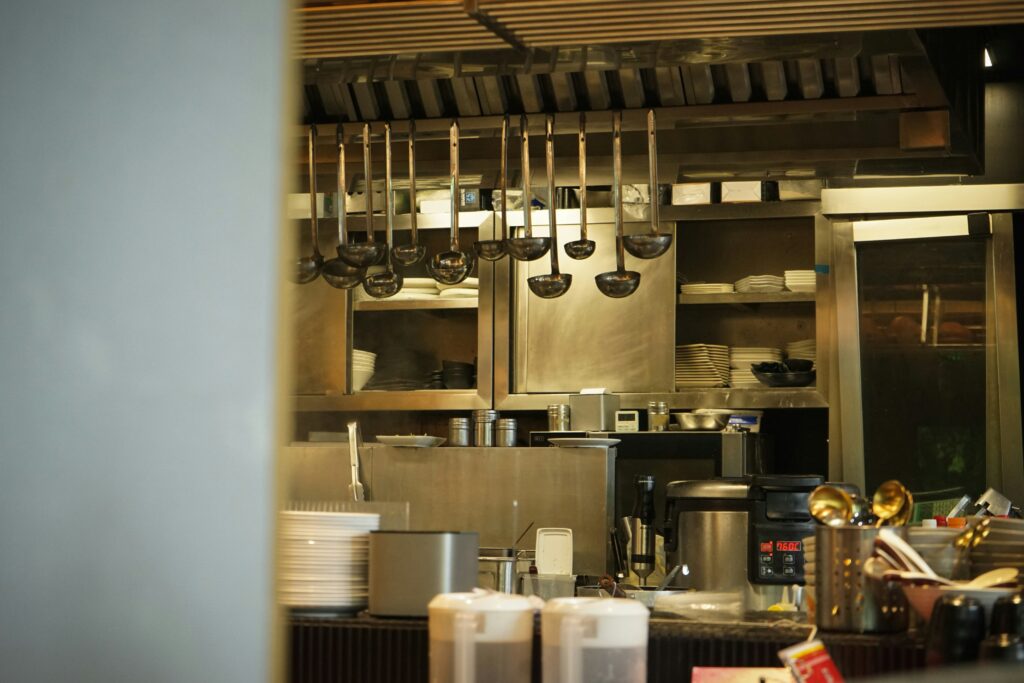

INTERVIEW WITH THE OWNER
Consultant: When you hear “sustainability” in hospitality, what does it mean to you today?
Owner: To be honest, I still associate it with things like recycling, reducing plastic, or sourcing organic products—important, but often expensive and not always practical. It feels more like an added responsibility than something that drives the business.
Consultant: Do you see sustainability as a cost, a risk, or an opportunity?
Owner: Historically, more of a cost. Margins are tight, so anything that adds complexity feels like a risk. But I’m starting to see there might be an opportunity if it improves efficiency or reduces waste.
Consultant: What are your key priorities or goals for the business in the short term?
Owner: In the short term, it’s about stabilising costs, improving margins, and making operations more predictable. We want tighter control over stock and less day-to-day firefighting.
Consultant: And looking longer term—what does success look like for you in 5–10 years?
Owner: A more resilient business. Less exposed to price shocks, more consistent in quality, and probably more transparent in how we operate. Also building a stronger brand that customers trust.
Consultant: What are the biggest risks you see for your business today?
Owner: Supply volatility, rising food costs, and demand unpredictability. We often over-order to avoid running out, but that creates waste. It’s a constant balancing act.
Consultant: To what extent do you think environmental or social disruptions—like climate change, supply shortages, or industry scandals—could impact your business?
Owner: I think they’re happening more broadly, but I haven’t always seen them as directly impacting us day-to-day. That said, with supply issues becoming more frequent, it’s starting to feel more relevant.
Consultant: Do you think those risks apply to your business more than it might seem at first glance?
Owner: Yes, probably. We rely heavily on stable supply and pricing, so anything that disrupts that—whether environmental or otherwise—eventually affects us, even if indirectly.
Consultant: How would you describe your relationship with your suppliers today?
Owner: Mostly transactional. We focus on price, reliability, and speed. There’s not much long-term planning or collaboration beyond placing orders.
Consultant: Do you see value in shifting that toward a more collaborative relationship?
Owner: Potentially, yes. If it helps with planning, consistency, or even cost control, it would be worth exploring. It’s just not something we’ve historically focused on.
Consultant: What areas of your business do you feel need the most improvement today?
Owner: Inventory management and procurement. We need better alignment between what we order and actual demand. There’s definitely inefficiency there, and probably unnecessary cost.
Consultant: If sustainability initiatives could directly support those improvements—like reducing waste or improving demand forecasting—would that change how you prioritise them?
Owner: Yes, absolutely. If it helps solve operational challenges and not just environmental ones, then it becomes a priority rather than a “nice to have.”
Consultant: Looking ahead, how do you think customer expectations might evolve around transparency and sustainability?
Owner: Customers are already asking more questions—where food comes from, how it’s sourced. I think that will only increase, and we’ll need to be able to respond clearly and confidently.
Consultant: What concerns you most about adopting more sustainable practices?
Owner: Cost and complexity. My concern is implementing changes that disrupt operations or don’t deliver clear returns. It has to work practically within the business.
Consultant: If you could improve one thing today to make your business more efficient and resilient, what would it be?
Owner: Better control over ordering and stock. If we could match supply more closely to demand, we’d reduce waste, save money, and operate more efficiently overall.